Brightspot and WordPress VIP are both built for publishing at scale, but they come from very different starting points, and that shapes everything from how content teams work day-to-day to how the platform holds up as organizational needs grow.
Below, we cover the key differences across architecture, editorial experience, multisite management, security and total cost of ownership, so you can make an informed decision about which platform is the right fit for your organization.
- Brightspot delivers enterprise capability without the build burden. Brightspot is hybrid: a full editorial interface, native multisite management and preconfigured content types sit alongside flexible API delivery. WordPress VIP is built on a monolithic WordPress foundation, where enterprise capability is assembled through plugins and custom development.
- Brightspot frees content teams from developer dependency. Brightspot is designed so content teams can manage workflows, govern multiple sites and publish structured content without developer involvement. On WordPress VIP, capabilities that go beyond basic publishing typically require plugin configuration or custom development to enable.
- Brightspot scales as organizations grow. WordPress VIP’s greatest strength is how quickly teams can get started; the platform is widely understood and easy to onboard onto. As publishing requirements grow in complexity, that familiarity advantage erodes and the plugin-dependent architecture becomes a constraint.
- Brightspot makes long-term costs easier to forecast. Brightspot consolidates licensing, managed services and security into a predictable model. With WordPress VIP, plugin licensing, custom development to fill capability gaps, security patching and ongoing maintenance accumulate costs over time.
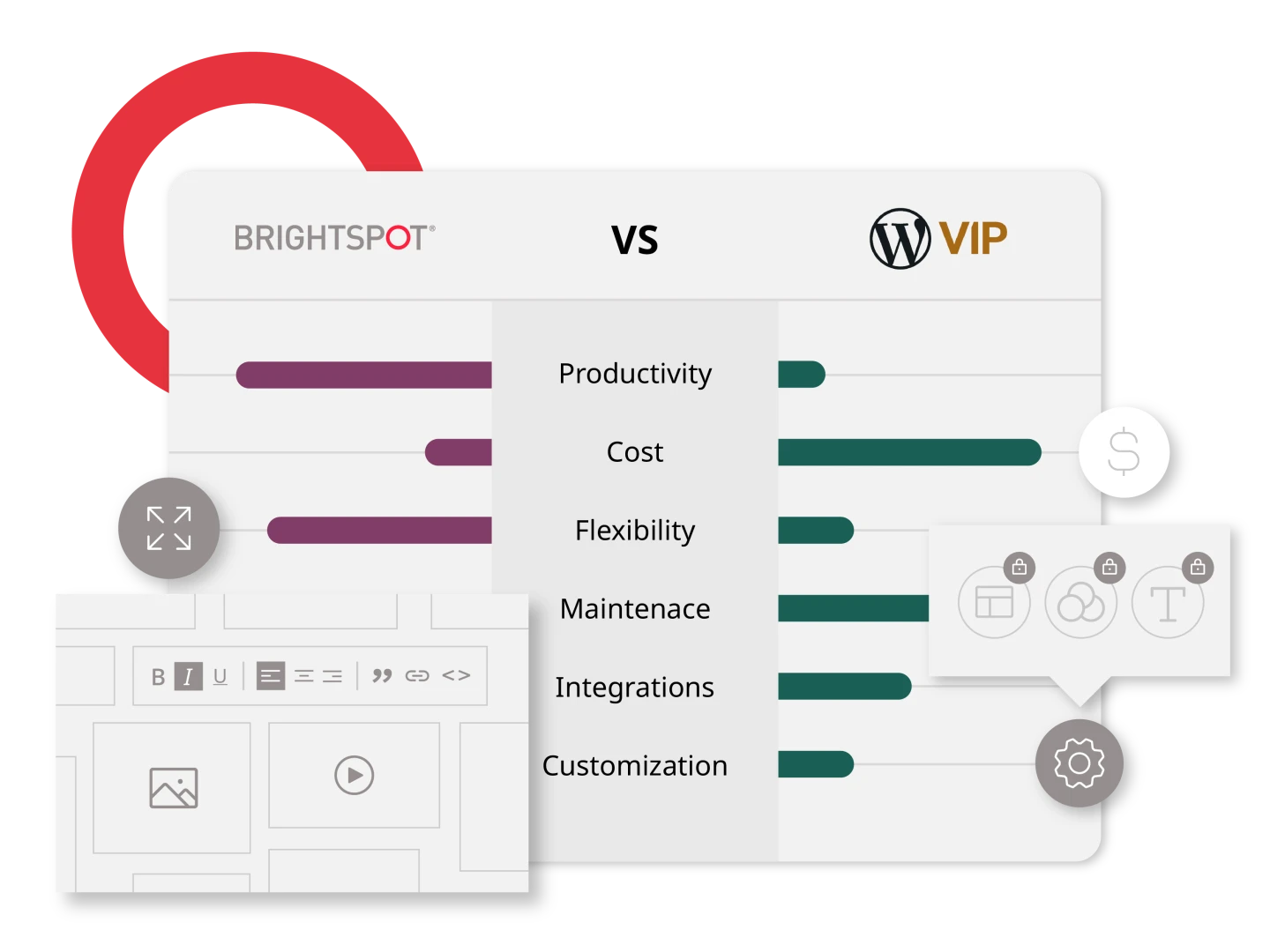
Brightspot vs. WordPress VIP: At a glance
When evaluating Brightspot vs. WordPress VIP, the central question is whether your current platform can support where your organization is headed, or whether its underlying architecture is becoming the constraint.
Brightspot takes a hybrid approach: headless API delivery, a full editorial interface, built-in workflow tools, native multisite management and enterprise capabilities that work out of the box. It’s built for organizations that need to publish at scale across multiple sites, brands and channels without accumulating plugin debt or developer dependency along the way.
WordPress VIP brings the familiarity of WordPress into a managed enterprise hosting environment, with improved performance and security over self-hosted WordPress. It can be a fit for organizations with straightforward publishing needs and teams already fluent in WordPress.
Brightspot vs. WordPress VIP: Feature comparison
| Feature | Brightspot | WordPress VIP |
| Architecture | Hybrid (headless + traditional) | Traditional (monolithic, plugin-dependent) |
| Editorial experience | Built-in, full UI | Familiar, but limited at enterprise scale |
| Developer flexibility | High | Moderate |
| AI capabilities | Built into editorial workflow | Available via plugins |
| Multisite / multi-brand | Native support | Limited, requires custom configuration |
| Workflow management | Built-in | Plugin dependent |
| Personalization | Integrated | Requires third-party plugins |
| Implementation speed | Faster out of the box | Fast to start, complex to scale |
| Total cost of ownership | Predictable | Can escalate with plugin and maintenance needs |

Brightspot vs. WordPress VIP: Key differences
Architecture
Deciding between a hybrid CMS and a traditional monolithic platform?
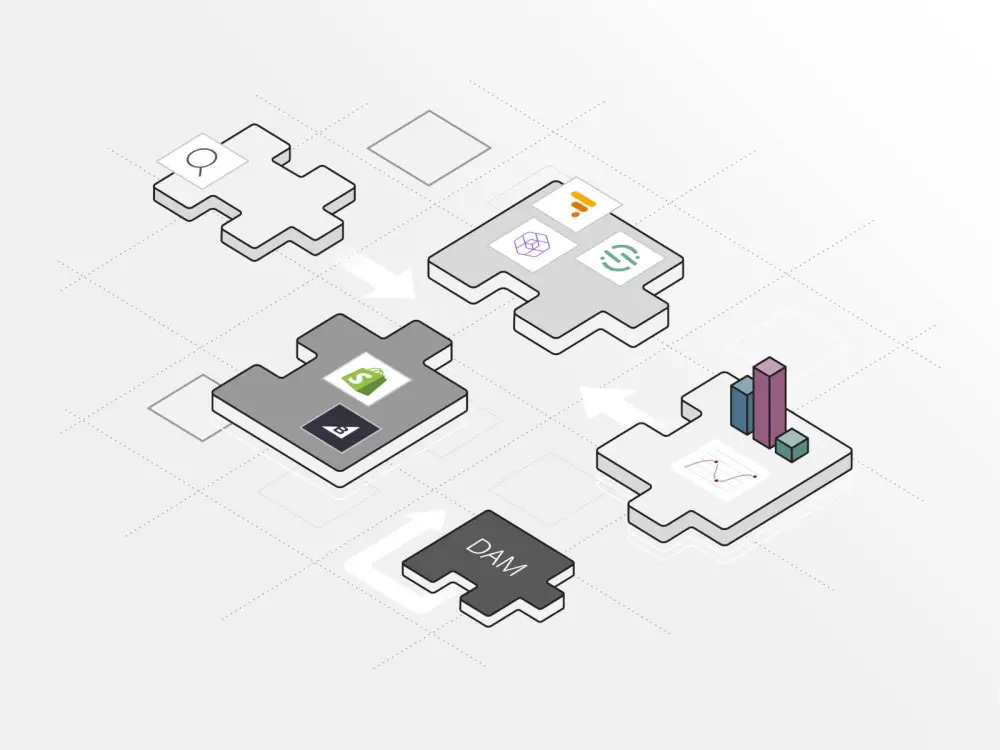
Brightspot supports headless, decoupled or hybrid delivery from a single environment, giving development teams architectural flexibility while providing content teams with a full editorial interface and preconfigured content types that don’t require a build phase before publishing can begin.
WordPress VIP is built on the monolithic WordPress architecture that’s familiar to many, but the platform’s tightly coupled front-end and plugin-dependent model can create constraints at enterprise scale.
Editorial experience
Brightspot’s editorial interface gives content teams a purpose-built publishing environment, with structured content types, drag-and-drop workflows, collaborative editing tools and built-in preview capabilities that teams can use from day one without needing developer involvement for routine tasks.
WordPress VIP’s authoring experience carries the strengths and limitations of the WordPress editor. It’s widely recognized and easy to onboard new users onto, but it wasn’t designed for the demands of enterprise publishing. Structured content modeling, multisite editorial governance and advanced workflow management all require plugins or custom development to approximate.
Developer experience
Brightspot gives development teams a well-documented, extensible Java-based framework with GraphQL and REST APIs, plus flexible architecture options. The platform is designed so engineering resources aren’t consumed by routine publishing and workflow tasks that content teams can handle independently.
WordPress VIP offers developers a familiar environment with extensive documentation and a broad ecosystem of plugins and themes to build on, though WordPress development at enterprise scale often means managing the complexity of a plugin-heavy stack.
AI capabilities
Brightspot’s AI features are built directly into the editorial workflow. Automated tagging, AI-assisted writing, content recommendations and image management are available to content teams inside the platform, with no additional configuration or third-party setup.
WordPress VIP’s AI capabilities are largely delivered through plugins, so availability, quality and consistency vary depending on which tools are selected, how well they’re maintained and how cleanly they integrate with the rest of the stack.
Speed to market
Brightspot’s combination of pre-built content types, ready-to-use integrations and an editorial interface that requires no custom build to operate means organizations can move from platform selection to active publishing significantly faster than competing platforms.
WordPress VIP is fast to get started with; the familiarity of WordPress and its large plugin ecosystem mean basic publishing can begin quickly. Speed becomes a challenge when enterprise requirements kick in: structured content modeling, multisite governance, advanced workflows and custom integrations all require development work.
Time to value
Brightspot is designed to deliver value early in the implementation. A full editorial interface, preconfigured content types and plug-and-play integrations are available from the start, so content teams can begin productive work well before the platform is fully built out.
DispatchHealth migrated from WordPress to Brightspot in under two months and saw a 40% improvement in SEO traffic following the switch.

DispatchHealth: Rapid migration off WordPress in less than two months with Brightspot
WordPress VIP delivers immediate value for organizations with straightforward publishing needs, but enterprise requirements extend the timeline.
Scalability
Brightspot grows with organizations as their footprint expands. Native multisite management, localization and workflow governance mean adding new sites, brands or markets doesn’t require a proportional increase in technical overhead.
Editorial Televisa consolidated 8 WordPress sites into a single Brightspot instance.

Editorial Televisa: From legacy to leading edge with Brightspot CMS
WordPress VIP scales reasonably well for organizations with relatively uniform publishing requirements across their properties. Managing multiple sites with different editorial workflows, governance requirements or content models pushes the platform toward custom development and plugin accumulation.
Total cost of ownership
Brightspot’s cost model consolidates what organizations need (licensing, managed services, implementation support and security) into a predictable structure, with extensive out-of-the-box functionality reducing custom development needs.
WordPress VIP can look cost-effective at the outset, but TCO tends to grow as the platform is pushed toward enterprise requirements.
When to choose Brightspot
- You need enterprise-grade publishing capability that your content teams can use without plugin configuration or developer support.
- You manage multiple sites or brands and need native multisite governance out of the box.
- You want structured content modeling and editorial workflows built into the platform.
- You need predictable costs without the overhead of plugin licensing, custom development and ongoing security maintenance.
- You’re hitting the scaling limits of WordPress and need a platform architected for enterprise complexity.

How 3 brands thrived after moving off WordPress with Brightspot CMS
When to choose WordPress VIP
- Your publishing requirements are relatively straightforward and don’t require complex multisite governance or structured content modeling.
- Your team is deeply familiar with WordPress and the transition cost of moving to a new platform outweighs the benefits.
- You have an established WordPress development practice and the resources to maintain a plugin-dependent stack at scale.
- You need a managed hosting environment for an existing WordPress investment without a full replatform.
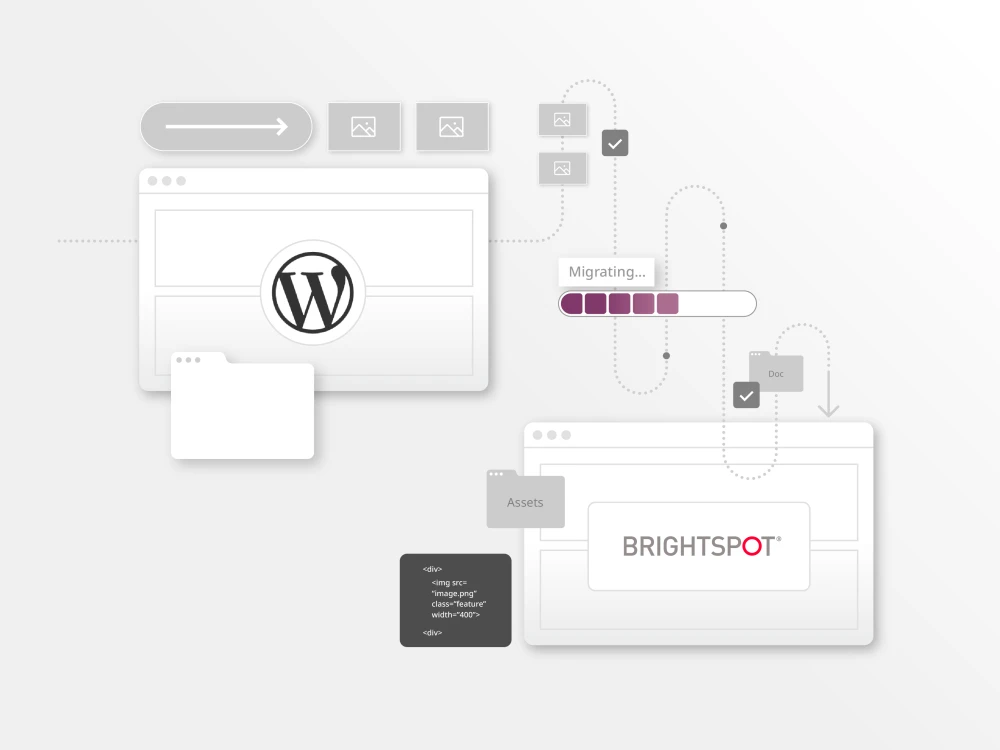
Migrating from WordPress VIP to Brightspot
Migrating from WordPress VIP to Brightspot typically occurs when:
- Plugin bloat, security vulnerabilities and compatibility issues have made the platform increasingly difficult and costly to maintain.
- Multisite management has outgrown what WordPress can handle natively, and the workarounds required to manage it are consuming too many engineering resources.
- Editorial teams need structured content modeling and governance tools that the plugin ecosystem can’t reliably deliver.
- The accumulation of custom development, plugin licensing and ongoing maintenance has made total cost of ownership harder to justify against what the platform delivers.

7 reasons why WordPress is not the solution to your enterprise content management needs
Security concerns with WordPress VIP
One of the biggest challenges with using WordPress VIP in 2026 is its reliance on an open-source code and third-party plugins, which can introduce vulnerabilities. While WordPress VIP does offer enhanced security services — such as monitoring, patching and updating — its open-source architecture means that you’re inherently exposed to risks associated with widely used plugins.
- Plugin vulnerabilities: With over 50,000 plugins in the WordPress ecosystem, security risks can arise if these plugins are not properly maintained or patched. Even when using WordPress VIP, companies remain responsible for ensuring their third-party plugins are up to date. If a plugin contains a vulnerability, it can serve as a gateway for attacks, leaving your site and sensitive data at risk. Organizations with complex plugin stacks face the added challenge of tracking multiple updates and patches across providers.
- Frequent patching: Open-source platforms like WordPress require frequent security updates, and while WordPress VIP handles this process for the core CMS, plugin security is often left in the hands of external developers. The need to constantly monitor and patch plugins can result in delays and increased exposure to security breaches, as vulnerabilities in widely used plugins can quickly become targets for hackers.
- Risk of widespread attacks: WordPress’s popularity makes it a larger target for attackers. According to recent data, WordPress sites are frequently subjected to brute force attacks, malware injections and cross-site scripting (XSS) attacks. Even with the additional security layers WordPress VIP provides, the inherent risks of the underlying platform persist, especially for organizations handling sensitive information or large-scale operations.
Why Brightspot provides stronger security for enterprise-grade content management
Unlike WordPress VIP, Brightspot is built from the ground up as a secure, enterprise-grade CMS. The closed architecture minimizes risk by reducing exposure to the kinds of vulnerabilities that come with an open-source framework. With Brightspot, you benefit from:
- Built-in security: Brightspot offers robust, out-of-the-box security features such as real-time threat detection, automatic patching and secure hosting — all managed by Brightspot’s internal team.
- Fewer external dependencies: Brightspot’s comprehensive platform means you’re not relying on numerous third-party plugins or vendors, reducing the number of potential vulnerabilities in your tech stack.
- Proactive security measures: Brightspot continuously monitors for threats and responds quickly to emerging vulnerabilities, offering enhanced protection compared to the more reactive patching process found in WordPress VIP’s plugin ecosystem.
For organizations prioritizing security, Brightspot provides peace of mind, allowing your team to focus on creating and managing content without worrying about external vulnerabilities and constant patch management.

CMS security & infrastructure
Brightspot vs. WordPress VIP: FAQs
Understanding the differences between Brightspot and WordPress VIP
Brightspot is a strong fit for organizations that have outgrown what WordPress can deliver at enterprise scale, particularly those managing multiple sites, complex editorial workflows or structured content requirements that the plugin ecosystem can’t consistently handle. WordPress VIP works well for organizations with straightforward publishing needs and a deep existing investment in the WordPress ecosystem.
Yes, and for many organizations moving from WordPress, this is one of the most immediate improvements. Brightspot is designed so editorial teams can manage workflows, publish content and configure the platform without developer involvement.
The most common triggers are plugin dependency, multisite complexity, security concerns and total cost of ownership.
Brightspot’s pricing is more consolidated and predictable. WordPress VIP’s base cost can look accessible, but plugin licensing, custom development and ongoing maintenance frequently push the true total higher.
Brightspot handles multisite natively. Multiple sites, brands and markets can be managed from a single platform instance with shared content libraries, site-level permissions and centralized governance. WordPress VIP’s multisite capabilities require custom configuration and tend to create operational complexity as the number of properties grows.
Find the right fit: Compare Brightspot to your current CMS
If WordPress VIP is starting to show its limits, whether that’s plugin complexity, multisite friction or a total cost that’s harder to justify, it’s worth understanding what a purpose-built enterprise CMS looks like in practice.
Our team can walk you through a hands-on comparison and help you determine whether Brightspot is the right next step for your organization.

Discover what’s possible with Brightspot
- See why Brightspot is the most flexible CMS to deliver content at scale
- Discover how to create, edit and launch content with speed & ease
- Meet our team of experts here to support you each step of the way